

Benefits of Montessori
Why Families Around the World Choose Montessori
Parents often begin researching Montessori education because they are looking for a different approach to learning. What many discover is that Montessori offers benefits that extend far beyond academics.
The goal of Montessori education is not simply to help children perform well academically. Its purpose is to help children develop the skills, habits, and character traits that support success throughout their lives.
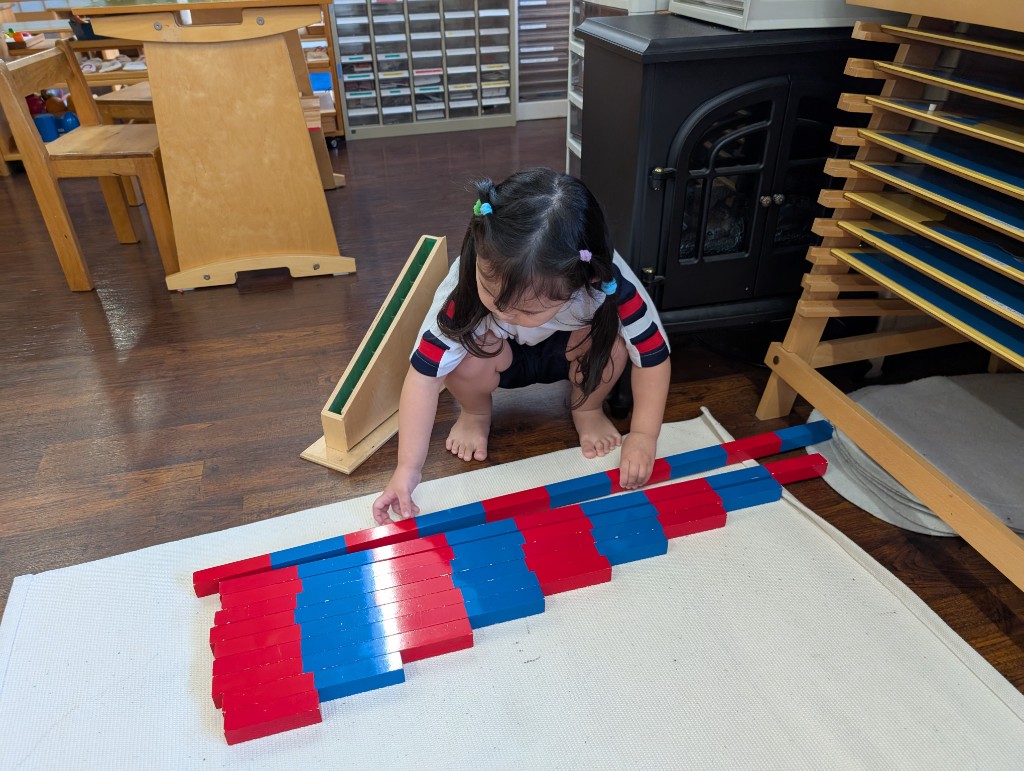
Montessori education nurtures concentration, independence, and confidence. Children learn to care for themselves, their environment, and one another.
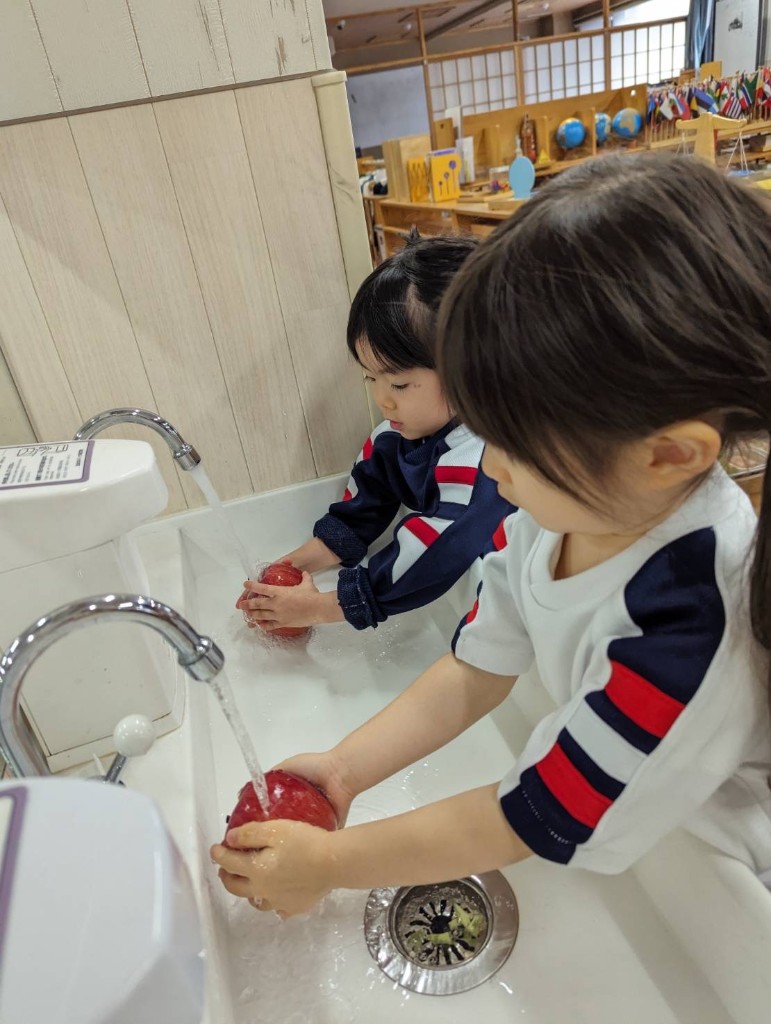
Caring for everyday tasks teaches responsibility, order, and the quiet pride of doing things independently.
Developing Independent Learners
One of the most important benefits of Montessori education is the development of independence.
From an early age, children make choices, solve problems, and care for themselves—building confidence, responsibility, and lifelong learning.
Building Concentration and Focus
In today's world, maintaining attention has become increasingly difficult. Many children are surrounded by constant distractions and rapid stimulation.
Uninterrupted work periods and purposeful materials help children concentrate deeply—a skill that predicts future academic and professional success.
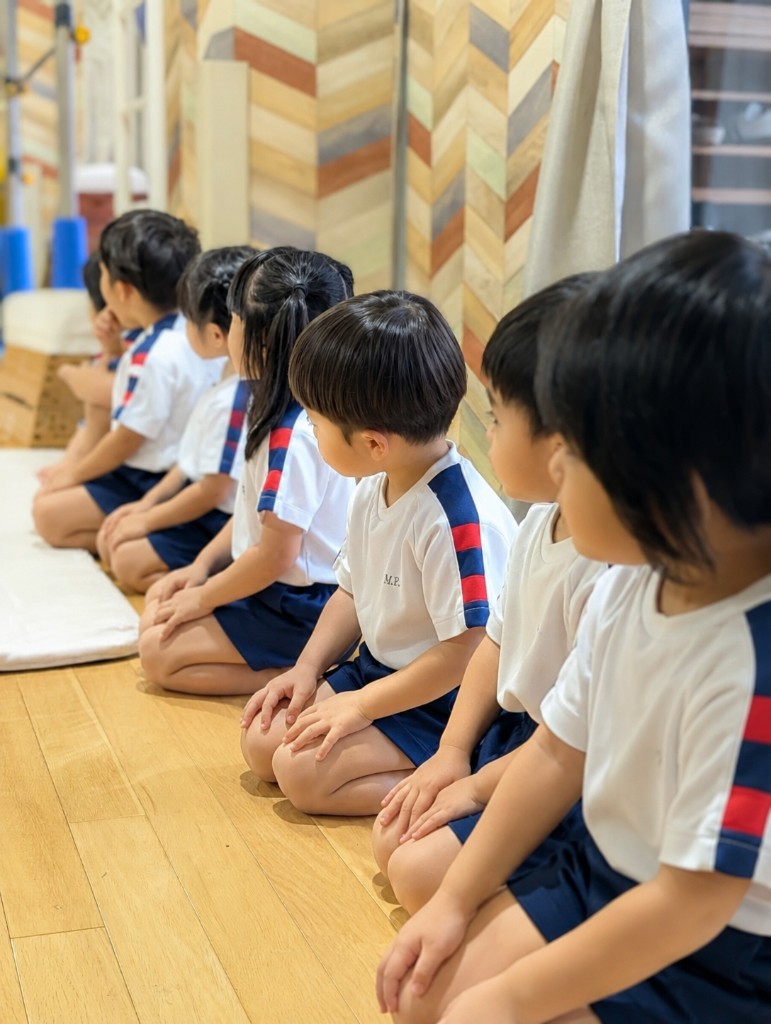
Caring for everyday tasks teaches responsibility, order, and the quiet pride of doing things independently.
Creating a Genuine Love of Learning
Many educational systems rely heavily on rewards, grades, or external motivation.
Montessori education takes a different approach.
Children discover concepts through experience and develop intrinsic motivation—learning because they are curious, not for rewards alone.
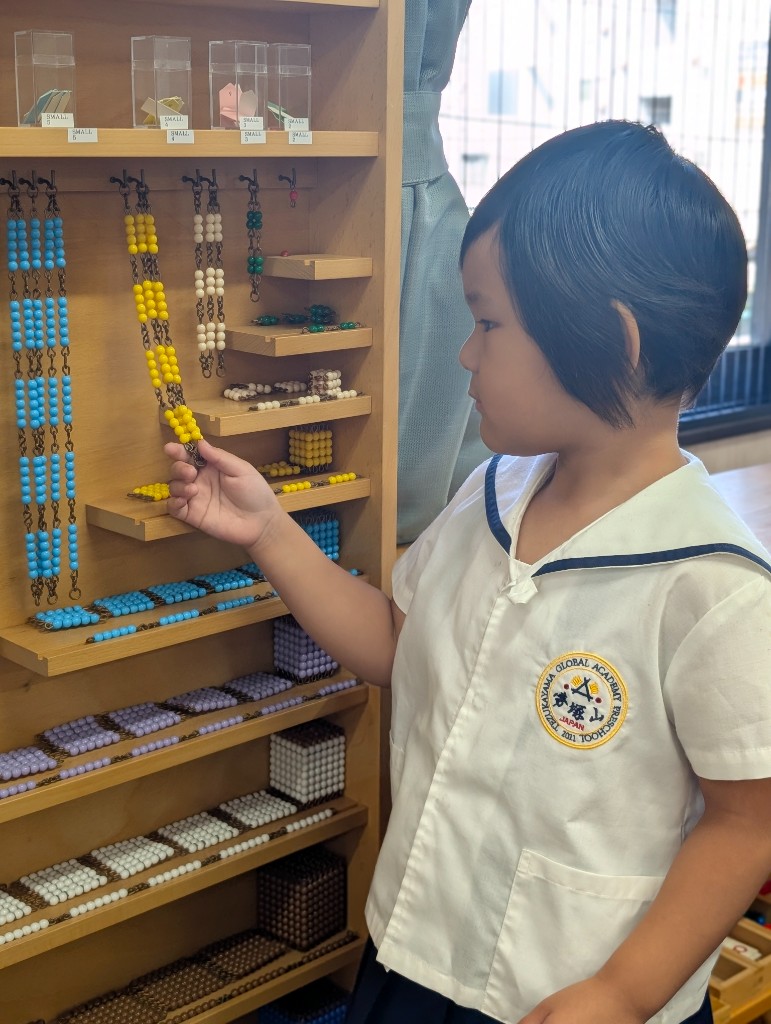
Montessori education nurtures concentration, independence, and confidence. Children learn to care for themselves, their environment, and one another.
Strengthening Problem-Solving Skills
The future will belong to individuals who can think critically, adapt to new situations, and solve unfamiliar problems.
Children investigate, experiment, and find solutions step by step—skills that grow more valuable with age.
Encouraging Confidence and Resilience
Montessori classrooms provide opportunities for children to experience success through their own effort. Whether completing a challenging activity, mastering a new skill, or solving a difficult problem, students learn that progress comes through persistence and practice.
At the same time, they learn that mistakes are a natural part of learning rather than something to fear.
This combination of confidence and resilience helps children approach future challenges with a positive mindset.
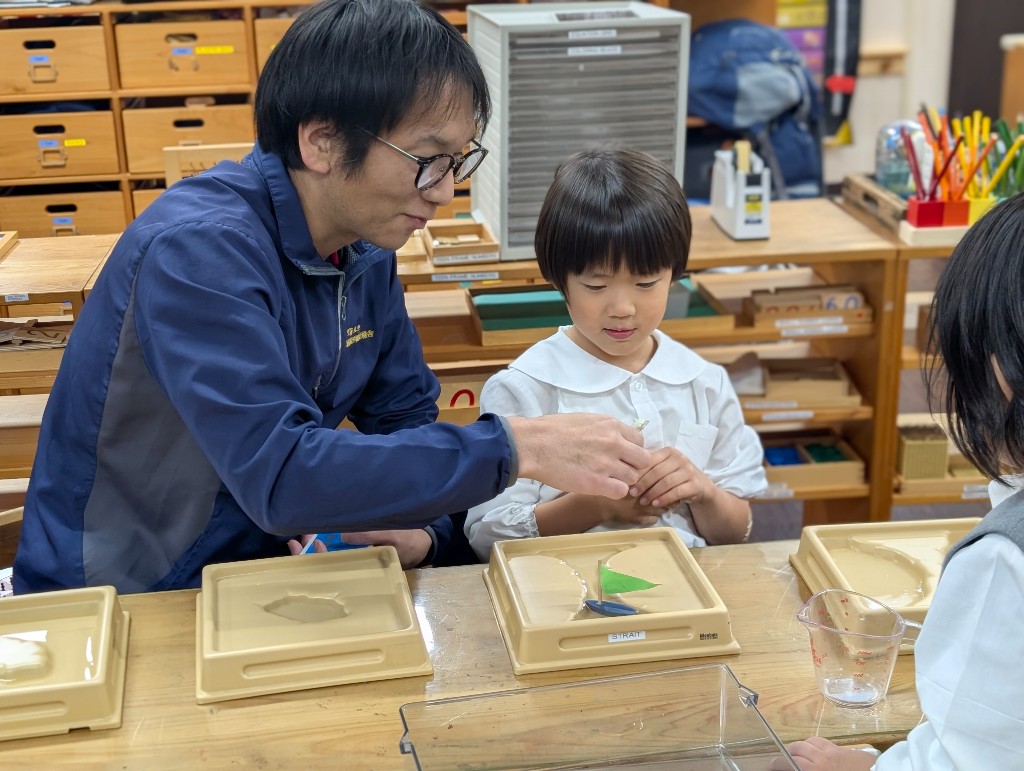
As children explore the world through maps and globes, curiosity grows into confidence and a genuine love of discovery.
Supporting Social Development
Montessori education recognizes that social development is just as important as academic growth.
Mixed-age communities teach respectful communication, cooperation, and mentoring—building empathy and strong interpersonal skills.
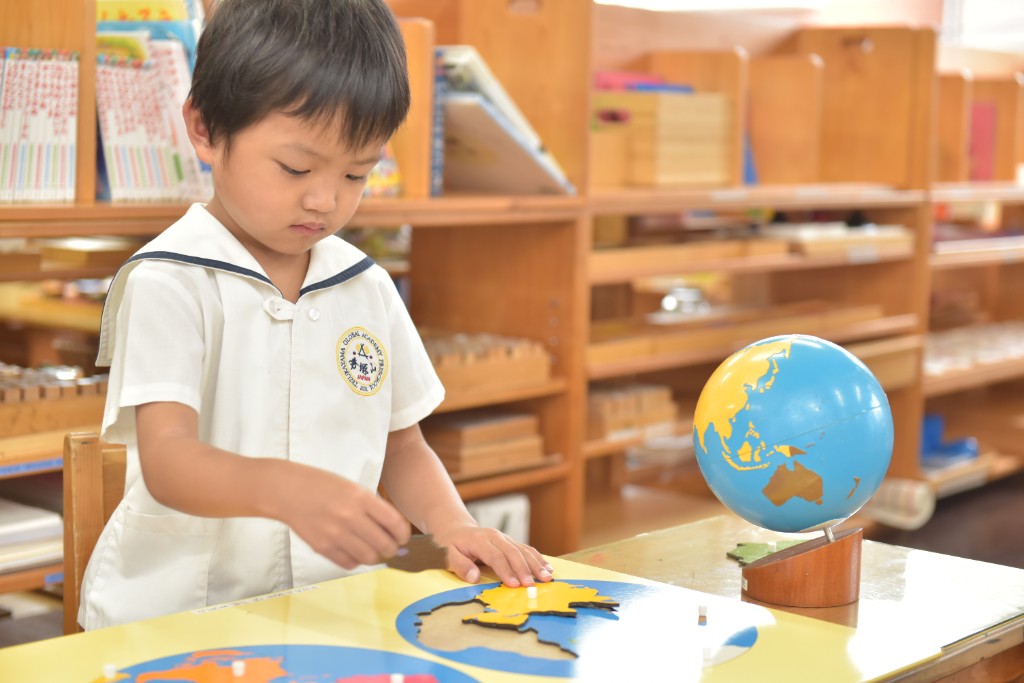
As children explore the world through maps and globes, curiosity grows into confidence and a genuine love of discovery.
Developing Responsibility
Responsibility is not something that appears automatically as children grow older. It must be practiced.
Students care for their work, materials, and classroom—developing ownership and accountability over time.
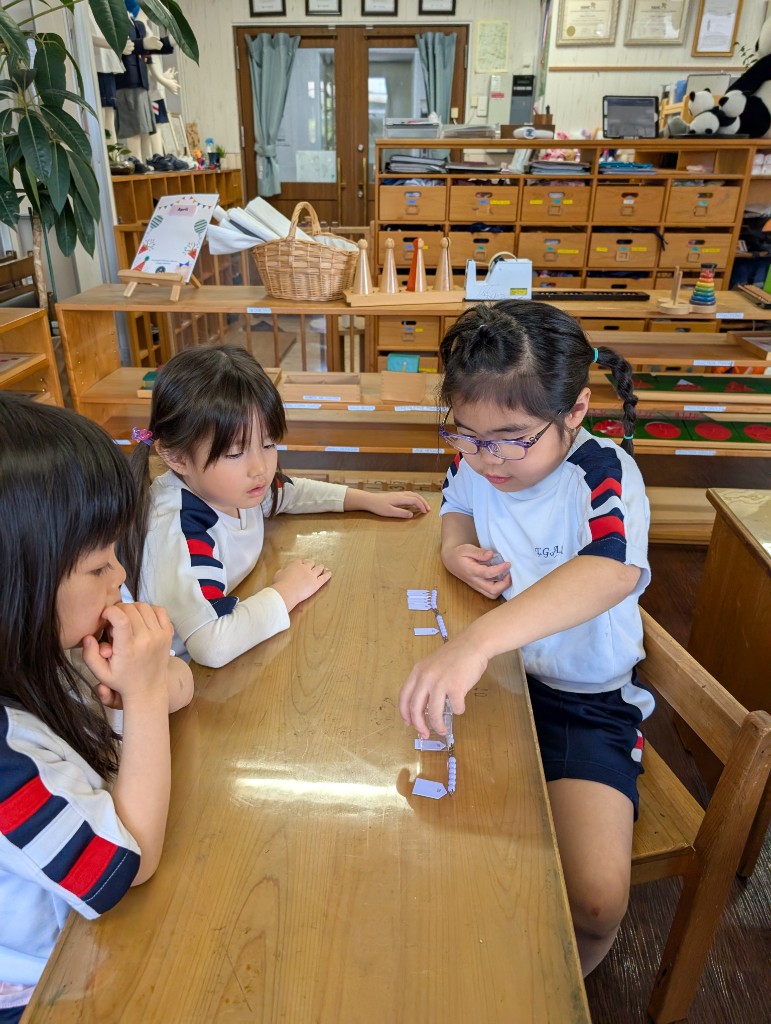
Mixed-age classrooms allow younger children to learn from peers and older children to reinforce knowledge by teaching—building leadership naturally.
Supporting Creativity and Innovation
The modern world increasingly values creativity, adaptability, and innovation.
Because Montessori education encourages exploration and independent thinking, students learn to approach problems from multiple perspectives. They are encouraged to ask questions, test ideas, and think creatively rather than simply memorizing information.
These experiences help develop the flexibility and imagination needed for future innovation.
Preparing Children for a Changing Future
The careers, technologies, and challenges of the future will likely look very different from those of today.
For this reason, the most important educational outcome may not be specific knowledge, but rather the ability to continue learning throughout life.
Montessori education helps children develop adaptability, curiosity, initiative, and confidence in their ability to learn new things. These qualities enable them to navigate change successfully throughout their lives.
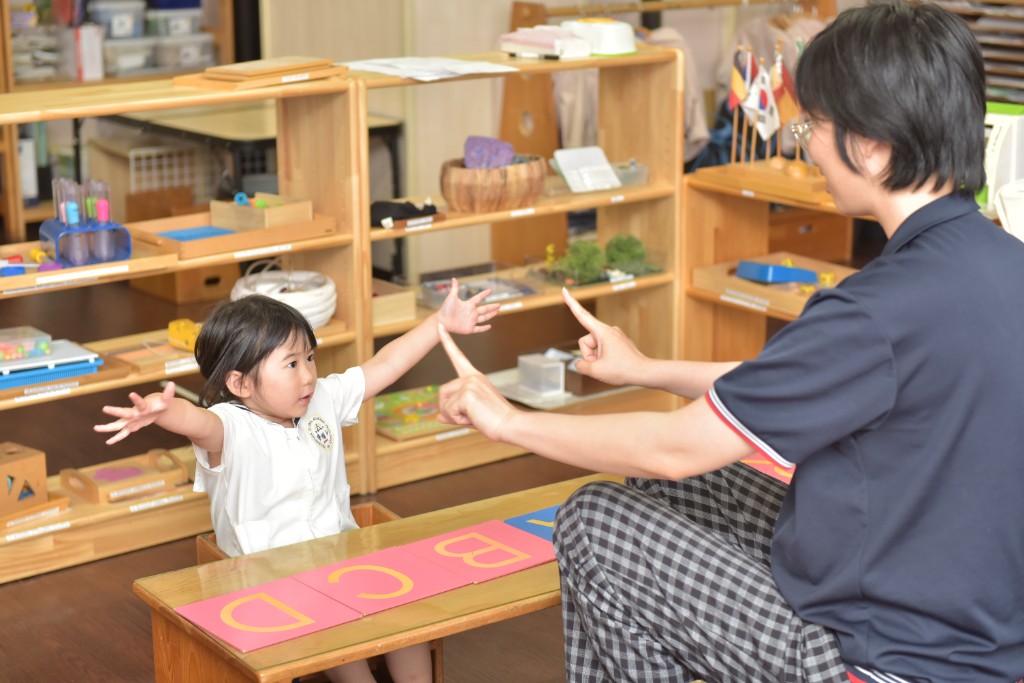
Caring for everyday tasks teaches responsibility, order, and the quiet pride of doing things independently.
Benefits Beyond the Classroom
Perhaps the greatest strength of Montessori education is that its benefits extend far beyond academic achievement.
Practical life builds adult confidence; purposeful work builds focus; collaboration builds leadership—benefits that last long after school.
Montessori education does not simply prepare children for their next school year. It prepares them for life.
The Montessori Advantage
At TGA, we see these benefits every day. Children become more independent, more confident, more curious, and more capable as they progress through their Montessori journey.
Combined with English immersion, sports, enrichment, and real-world experiences, Montessori gives TGA students a strong foundation for lifelong success.