History - Technology

Preparing Children for a Future That Does Not Yet Exist

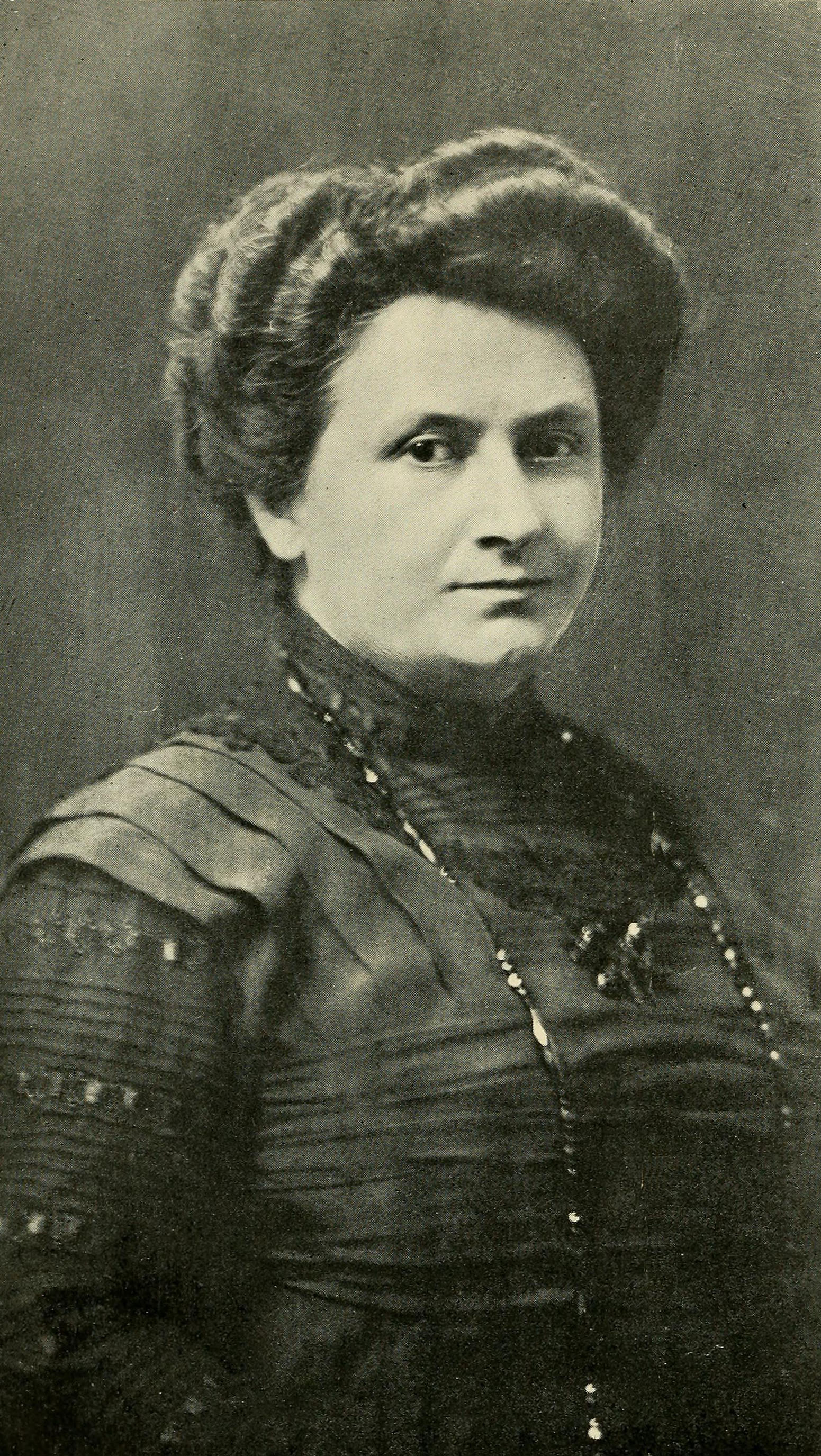
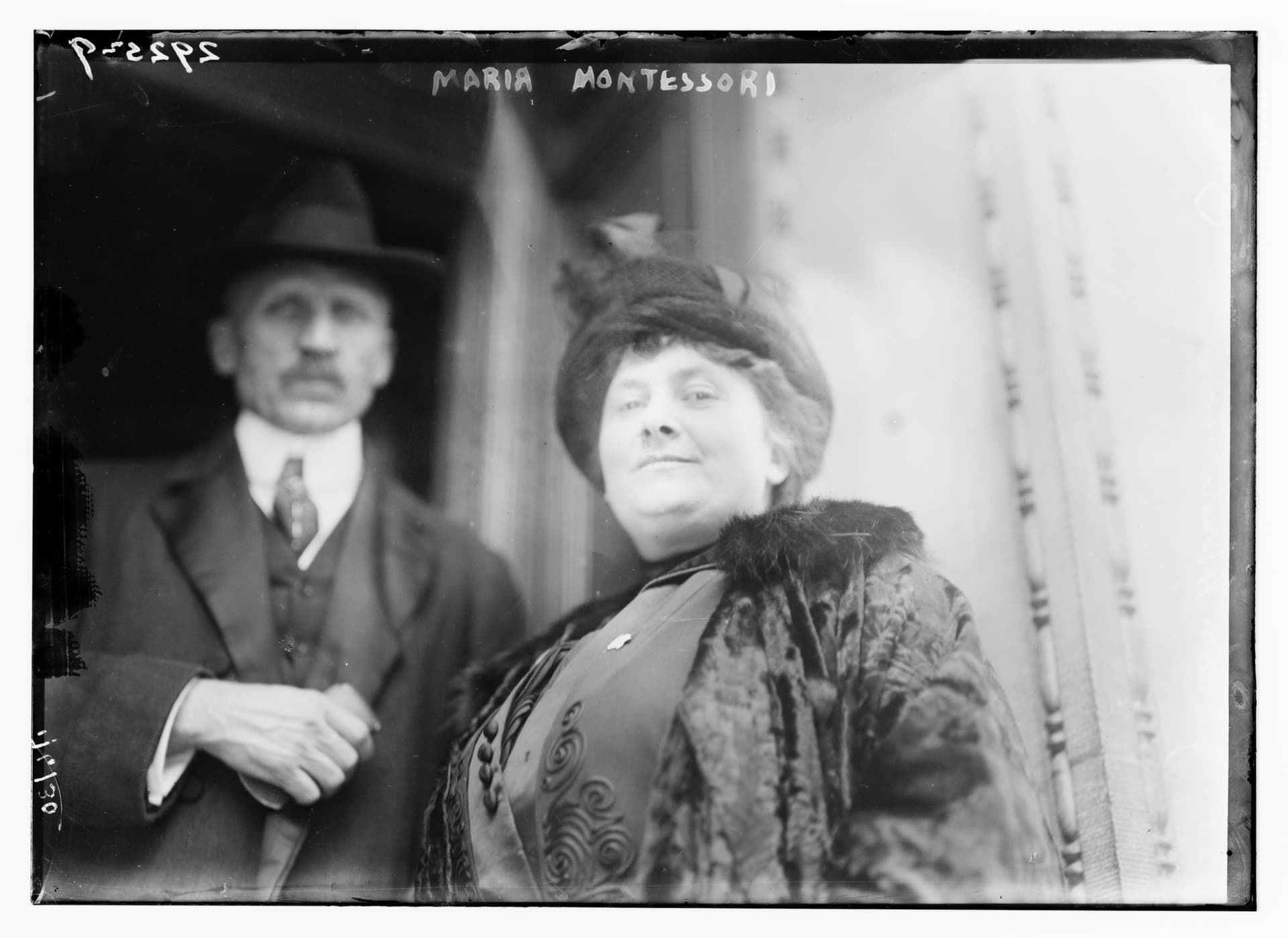
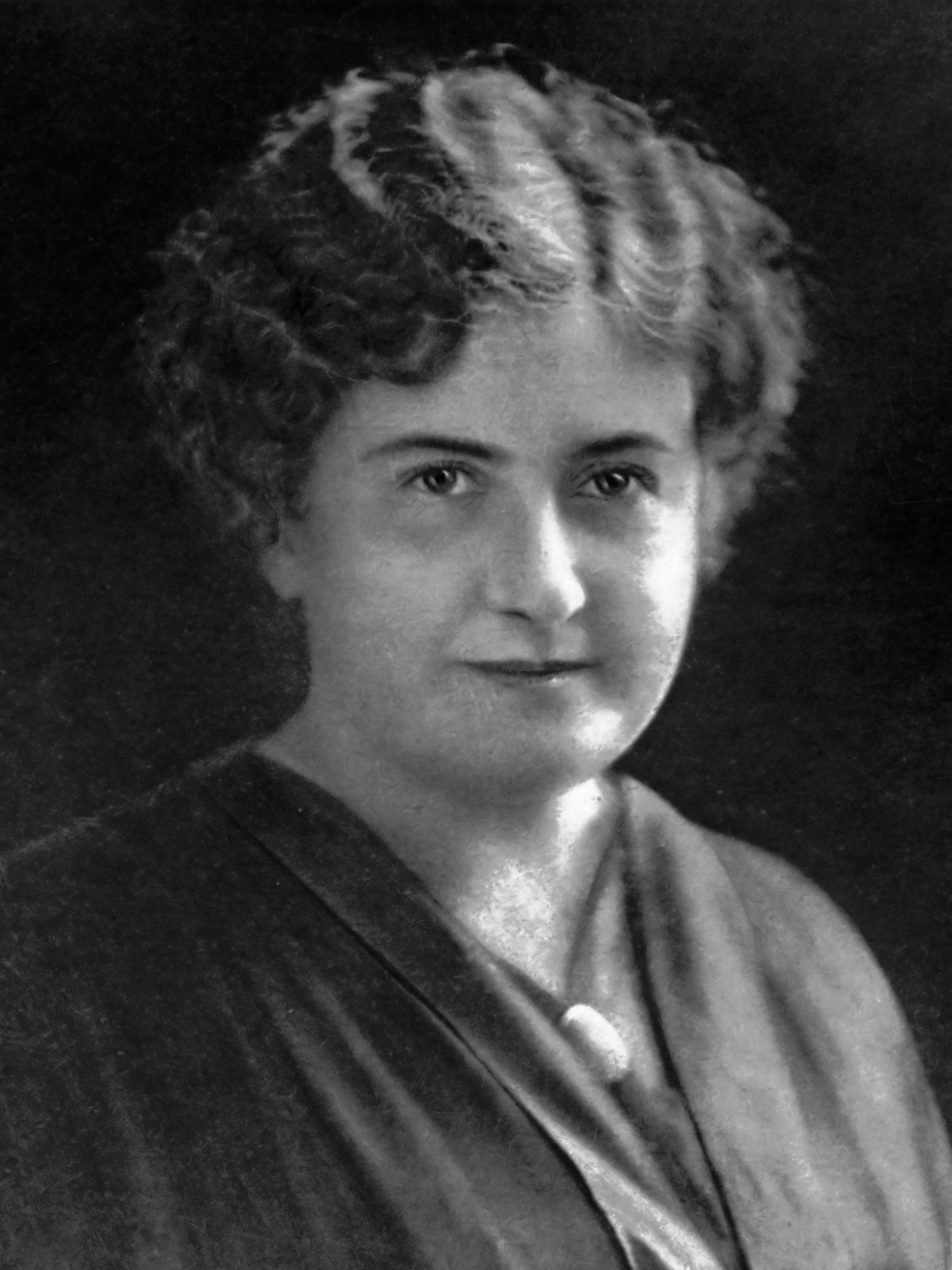
Historical portrait of Dr. Maria Montessori, founder of the Montessori educational method

Dr. Maria Montessori

When Dr. Maria Montessori first developed her educational approach over one hundred years ago, the world looked very different from today.

There were no computers, no smartphones, no artificial intelligence, and no internet. Yet despite these dramatic changes, Montessori education remains one of the most respected and successful educational approaches in the world.

Why?

Because Montessori education was never designed to prepare children for a specific job or technology. It was designed to develop the human qualities that remain valuable regardless of how the world changes.
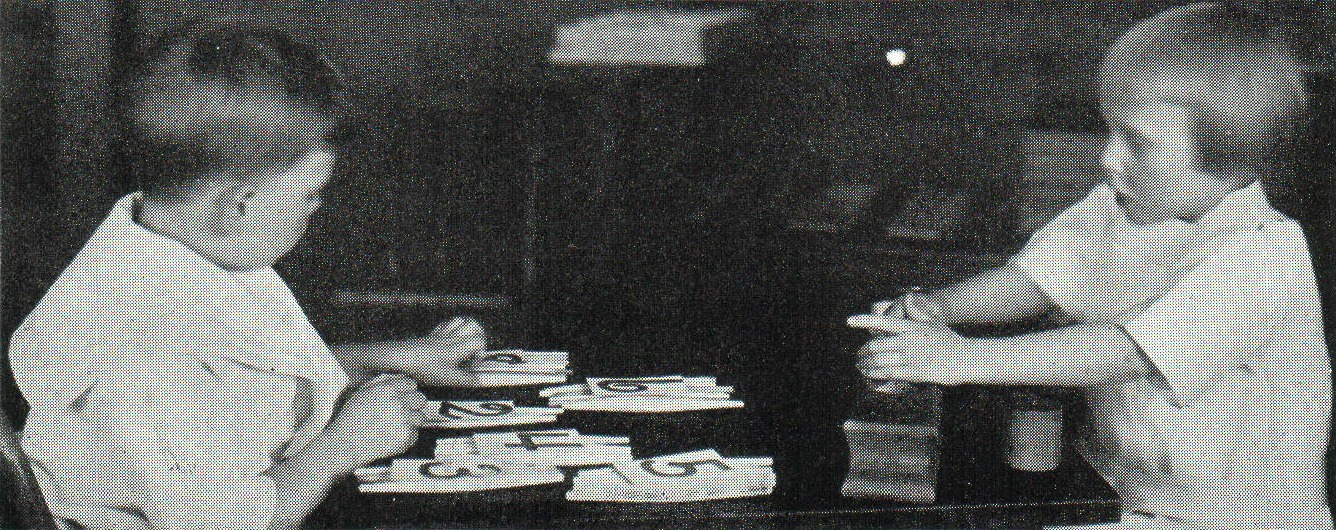
Children working with Montessori counting and geometry materials, circa 1914

As a global academy, we welcome families from many backgrounds. Cultural understanding and bilingual communication are part of everyday school life.

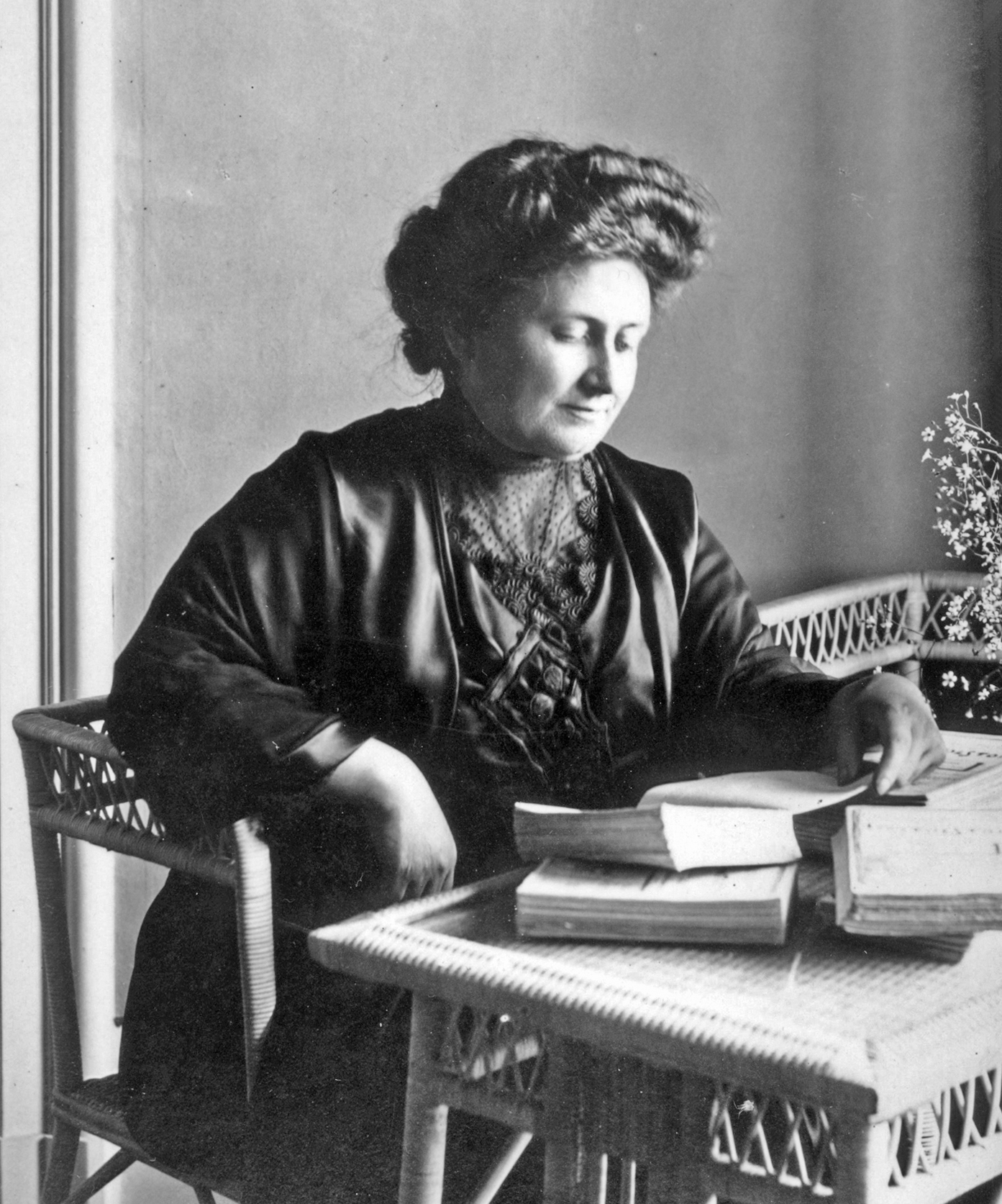
Dr. Maria Montessori in a 1913 portrait photograph with a book

We continue to refine our programs with thoughtful use of resources and technology while keeping the child at the center of every decision.

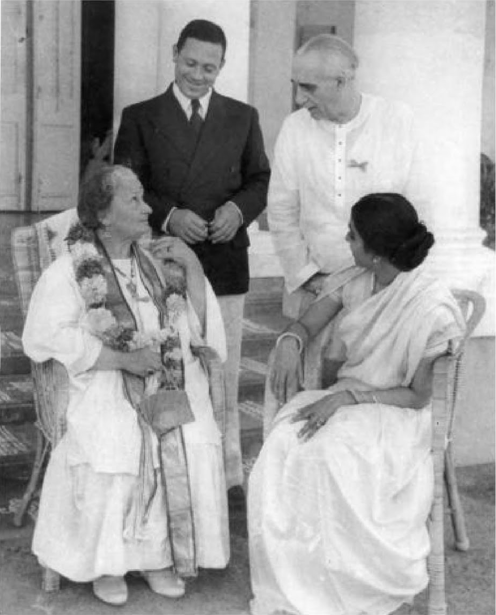
Dr. Maria Montessori with her son Mario Montessori in India, 1939

A global outlook begins early—children learn about the wider world and their place within it.

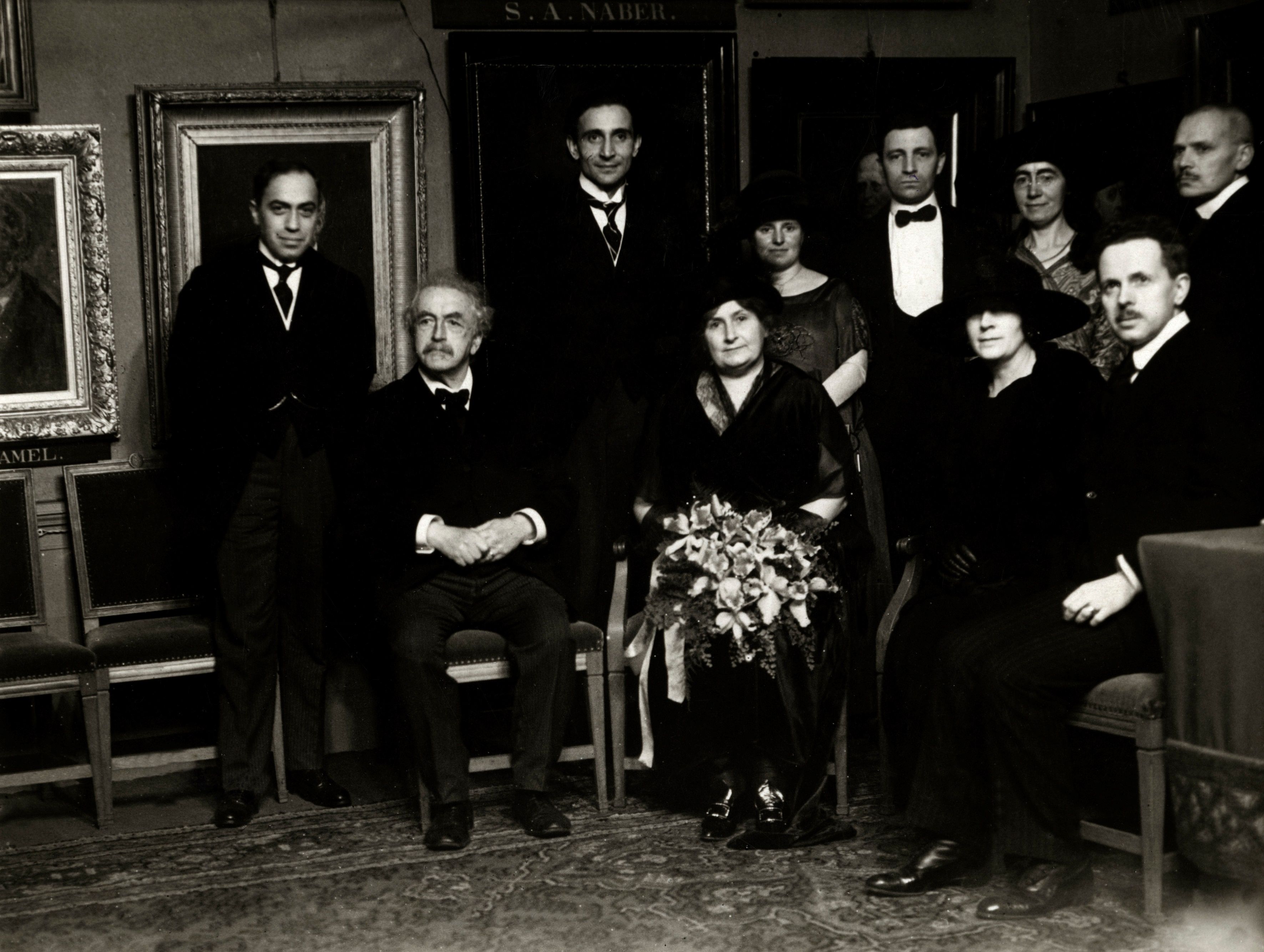
Dr. Maria Montessori welcomed at the University of Amsterdam, 1923

As a global academy, we welcome families from many backgrounds. Cultural understanding and bilingual communication are part of everyday school life.

Dr. Maria Montessori in academic dress as a physician and educator

We continue to refine our programs with thoughtful use of resources and technology while keeping the child at the center of every decision.

The Future Requires More Than Knowledge

In previous generations, success was often linked to how much information a person knew. Today, information is available instantly.

As technology continues to advance, the ability to memorize facts is becoming less important than the ability to think independently, solve problems, adapt to change, communicate effectively, and continue learning throughout life.

These are precisely the qualities Montessori education has focused on from the very beginning.

Children are encouraged to ask questions, explore their interests, solve problems independently, and take ownership of their learning. Rather than waiting for instructions, they learn to take initiative and think for themselves.

In many ways, Montessori education is more relevant today than ever before.

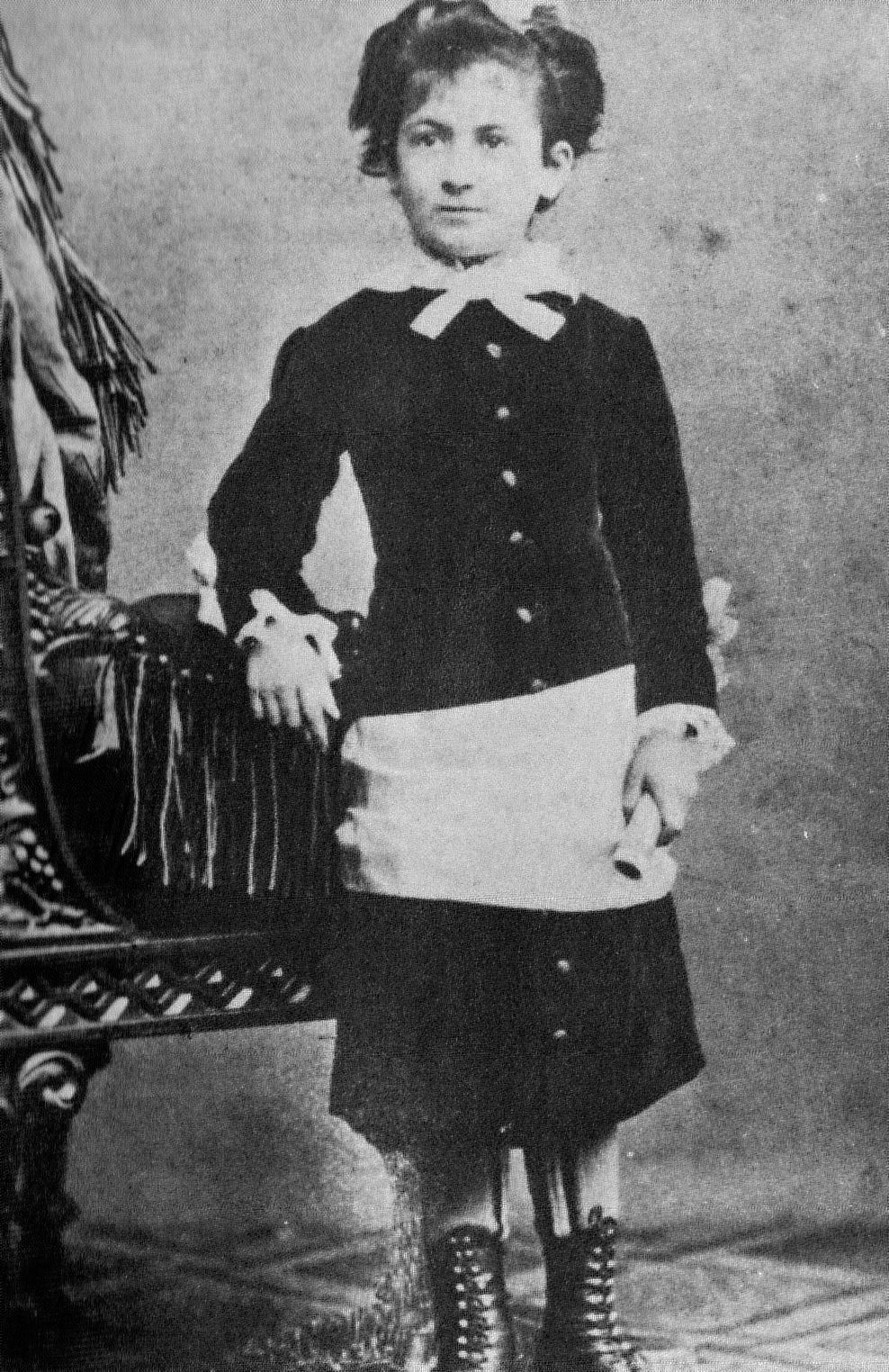
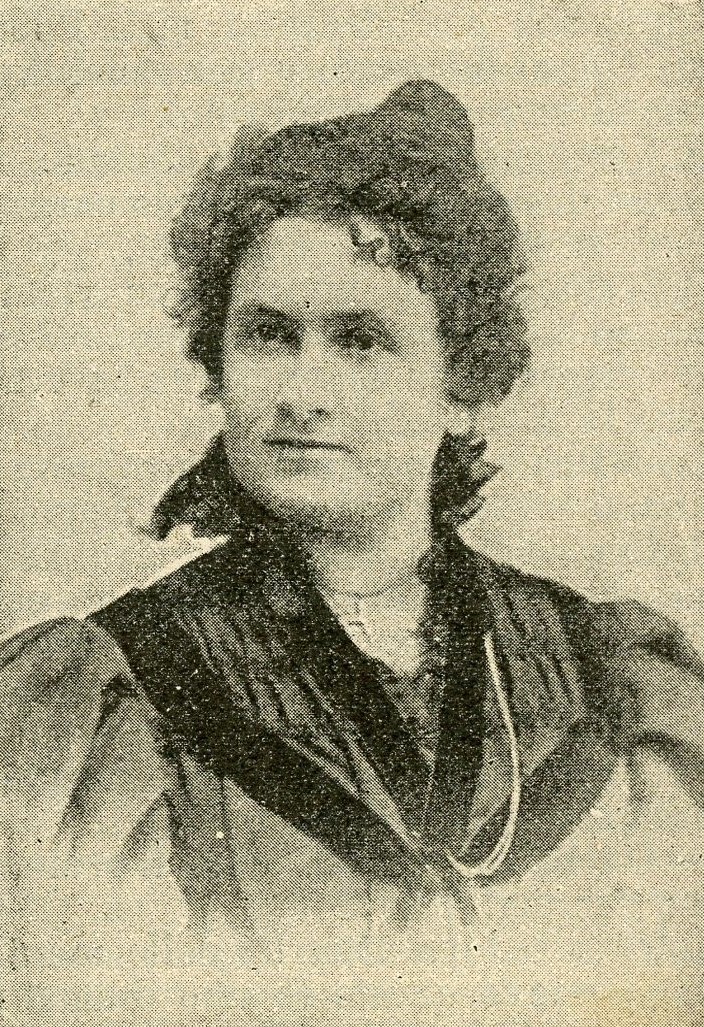
Maria Montessori as a young girl, photographed around 1880

A global outlook begins early—children learn about the wider world and their place within it.

Modernizing Montessori at TGA

While the core principles of Montessori education remain unchanged, the world continues to evolve, and so do we.

At TGA, timeless Montessori principles meet English immersion, ICT, sports, enrichment, and real-world learning—technology as a tool for exploration and creativity.

Students continue to benefit from hands-on learning, independence, and self-directed exploration while also developing the skills needed to navigate an increasingly global and technological society.

Our goal is to use technology as another tool for exploration, creativity, communication, and innovation.

What Montessori Graduates Achieve

One of the most remarkable aspects of Montessori education is the number of influential individuals who attended Montessori schools during their childhood.

While no educational system guarantees success, it is interesting to observe how many Montessori alumni demonstrate the very qualities Montessori aims to develop: independence, creativity, curiosity, confidence, and initiative.

Jeff Bezos, founder of Amazon, has credited Montessori with encouraging exploration and independent thinking from an early age.

Google co-founders Larry Page and Sergey Brin have publicly linked Montessori to the curiosity and freedom of thought behind their later innovation.

Jimmy Wales, founder of Wikipedia, helped make knowledge freely accessible to millions worldwide.

Taylor Swift built a global career through creativity, self-expression, and the confidence to follow her own path.

George Clooney became a leading actor, filmmaker, and humanitarian—leadership beyond his profession.

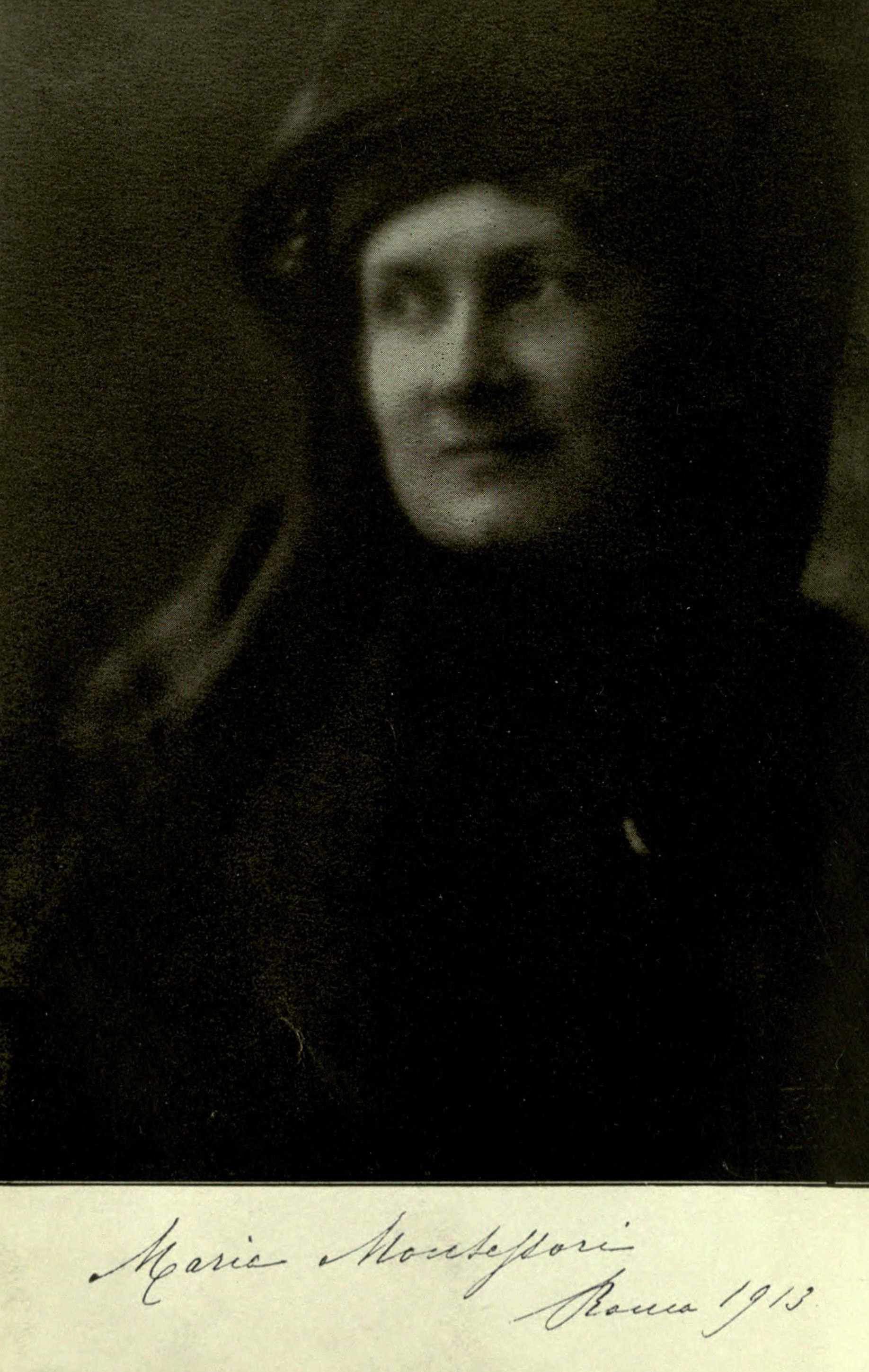
Dr. Maria Montessori in Rome, 1913, in a signed historical portrait

As a global academy, we welcome families from many backgrounds. Cultural understanding and bilingual communication are part of everyday school life.

Different Paths, Common Qualities

These individuals pursued completely different careers.

Some became entrepreneurs. Others became artists, innovators, or leaders.

What they share is not a specific profession but a collection of qualities often associated with Montessori education: independence, creativity, self-motivation, resilience, curiosity, and the confidence to pursue new ideas.

These are exactly the qualities that will continue to matter in the future, regardless of how technology evolves.

Looking Forward

No one can accurately predict what the world will look like twenty years from now. New industries will emerge. Existing careers will change. Global connections will become even stronger.

The children entering school today will likely solve problems that do not yet exist using technologies that have not yet been invented.

For this reason, education must focus on more than knowledge alone.

At TGA, we aim to develop adaptable, capable, and compassionate individuals ready to learn, innovate, and contribute positively to society.

Montessori education provides that foundation.

By combining Montessori principles with modern opportunities, we prepare children for the world today—and the world they will help create tomorrow.

Dr. Maria Montessori delivering a lecture, early 20th century

We continue to refine our programs with thoughtful use of resources and technology while keeping the child at the center of every decision.